
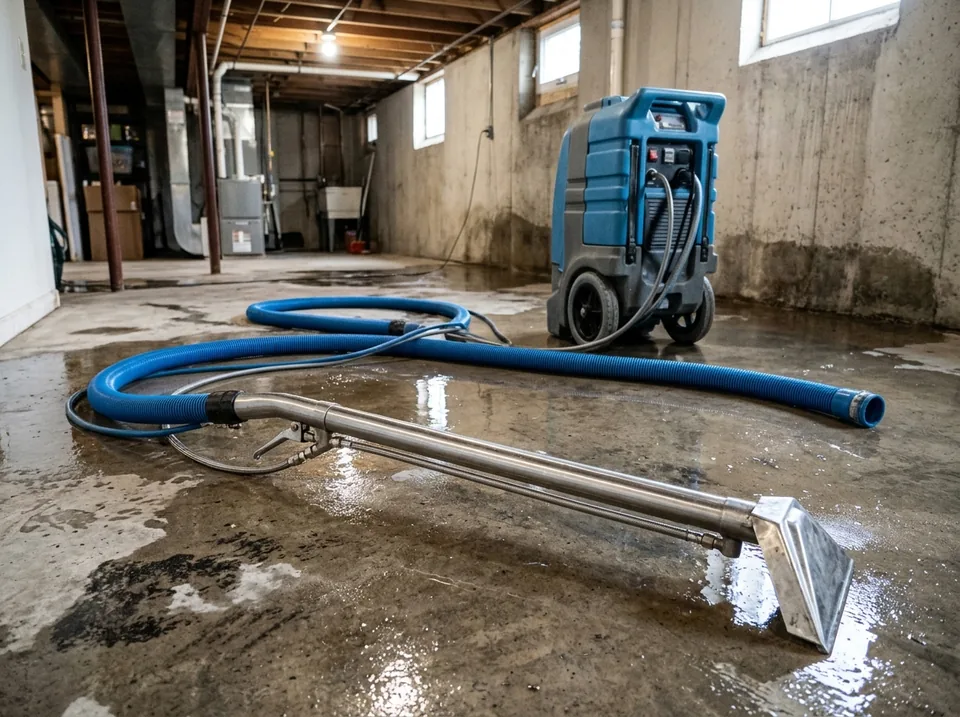
Mold spores can begin colonizing damp drywall paper, carpet backing, and subfloors within 24 to 48 hours of a water loss in Burien. While emergency water extraction and non-structural drying do not require a City of Burien permit, rebuilding structural framing, electrical wiring, plumbing lines, or mechanical systems generally requires permits filed through the City of Burien Permit Center via MyBuildingPermit.
Two anxieties follow almost every serious water loss in Burien: first, "How quickly will mold start growing behind my walls?" and second, "Do I need a City of Burien building permit before my contractor puts the walls back together?" Both questions carry real financial and health consequences in South King County's damp coastal climate. Below is a clear, evidence-based timeline of how mold develops after a leak, followed by a plain-English walkthrough of City of Burien permitting rules and contractor license checks.
The Hour-by-Hour Mold & Structural Deterioration Timeline
Mold spores are naturally present in every Pacific Northwest home—they drift in through open doors, shoes, and Puget Sound breezes. Spores stay harmless and dormant until they meet three conditions: an organic food source (drywall paper backing, wood studs, dust, or carpet adhesive), moderate indoor temperatures (60°F–80°F), and sustained moisture. Take away moisture fast enough and mold cannot establish.
| Time Elapsed | What Happens Inside Your Burien Home | Recommended Mitigation Response |
|---|---|---|
| 0 to 6 Hours | Water spreads across subfloor seams, soaks carpet padding, and starts wicking up drywall paper and MDF trim. | Shut off water, document photos, and begin emergency water extraction immediately. |
| 6 to 24 Hours | Drywall swells and softens; hardwood board edges begin cupping; metal furniture tack-strips and nails start rusting; musty odors emerge. | Remove soaked carpet pad and wet insulation; deploy LGR dehumidifiers and directional air movers. |
| 24 to 48 Hours | Dormant mold spores germinate on damp paper backing, unsealed subfloors, and crawl space joists; clean water begins degrading in category. | Verify hidden cavities with thermal imaging; apply antimicrobial treatment where needed; maintain continuous closed drying. |
| 48 Hours to 7 Days | Visible mold colonies expand behind baseboards and cabinets; doors swell shut; laminated cabinetry delaminates; wood moisture stays elevated. | Establish physical containment and HEPA air scrubbing; remove colonized porous drywall/trim safely before drying framing. |
| Beyond 1 Week | Wood-decay fungi threaten sill plates and joists (especially in damp crawl spaces); indoor air quality deteriorates; rebuild costs multiply. | Full remediation containment, structural framing inspection, and permitted reconstruction if load-bearing members weakened. |
Why Burien's Coastal Climate Shrinks Your Margin for Error
In an arid climate, cracking a window after a minor spill can drop indoor relative humidity to 25% in an hour. In Burien—especially along the Puget Sound waterfront in Three Tree Point, wooded ravines in Seahurst and Shorewood, and low-lying lots around Lake Burien—outdoor air sits near 75% to 90% relative humidity for much of the autumn and winter. Without active mechanical dehumidification (structural drying), trapped moisture inside wall cavities or vented crawl spaces lingers well past the 48-hour mold germination window.
That is why moisture-meter verification is non-negotiable. Drywall that feels cool and dry to your fingertips on Day 2 can still read 22% moisture inside the bottom wood sill plate—high enough to feed hidden mold behind a newly painted baseboard a month later.
City of Burien Building Permits After Water Damage: What Requires One?
Once emergency mitigation finishes and your home is certified dry, reconstruction begins. Homeowners in Burien often ask whether their contractor needs to pull a permit through the City of Burien Permit Center (located at 400 SW 152nd St #300, Burien, WA 98166, with electronic applications processed online through MyBuildingPermit).
Under the Burien Building & Property Maintenance Code (BMC 15.40) and Burien Flood Damage Prevention rules (BMC 15.55), the general dividing line is non-structural cosmetic finish repair vs. structural or regulated system work:
- Typically NO permit required (Emergency Mitigation & Cosmetic Finishes): Water extraction, drying equipment setup, removing wet carpet or pad, replacing flooring finishes (carpet, vinyl, hardwood), repainting, replacing baseboards, and minor non-structural drywall patching that does not alter fire-rated assemblies or framing.
- Permit typically REQUIRED (Structural, Mechanical, Electrical & Plumbing): Replacing water-damaged structural framing (floor joists, load-bearing studs, sill plates, or roof sheathing), repairing or re-routing plumbing supply/drain pipes beyond simple fixture swaps, replacing submerged electrical panels/circuits/outlets, replacing a flooded furnace or water heater, or repairing fire-rated drywall separating an attached garage or multi-unit wall in Olde Burien.
When in doubt—especially if your home sits near mapped critical areas, wetlands, or coastal bluffs—your reconstruction contractor can confirm exact submittal requirements directly with a City of Burien permit technician before closing up exposed walls.
Mandatory Contractor Verification Rules in Burien, WA
Whether you are hiring an independent restoration company for basement flood cleanup, crawl space water removal, or full post-flood reconstruction, Burien has clear contractor compliance rules you should verify yourself before signing a work authorization:
- Active Washington State L&I Contractor Registration: Verify the contractor's active registration, bond, and general liability insurance through the Washington State Department of Labor & Industries lookup tool.
- City of Burien Business License Endorsement (UBI): The City of Burien requires all contractors conducting business within city limits to hold an active Washington business license with a City of Burien endorsement linked to their Unified Business Identifier (UBI)—and MyBuildingPermit checks for an active endorsement prior to issuing building permits.
- Written Scope & Separate Mitigation/Rebuild Clarity: Make sure your written agreement clearly distinguishes emergency drying charges from any optional reconstruction work, and specifies how daily moisture logs will be shared with you and your insurer.
How to Spot Hidden Mold After a Past Leak in Burien
Sometimes water damage happens slowly behind a shower surround, beneath a dishwasher, or inside a dim crawl space in Gregory Heights or Boulevard Park—and homeowners only discover the issue weeks later. Knowing the early sensory and visual clues helps you intervene before spores spread through HVAC return ducts:
- Persistent earthy or stale odor: A sharp, musty smell concentrated near one baseboard, linen closet, or lower-level hallway—especially after running the shower or after rain—often signals microbial growth behind drywall paper even when the painted front surface looks normal.
- Paint bubbling, peeling, or swollen trim: Moisture pushing outward through latex paint creates soft blisters or slightly darkened caulk seams along baseboards and window sills.
- Warped subfloors or recurring condensation: Soft spots near a toilet flange or heavy interior window sweating point to elevated hidden moisture feeding under-floor cavities.
- Dark spotting on crawl space joists: Discoloration or fuzzy white/gray patches on rim joists or subfloor sheathing indicate wood moisture has stayed above 20% too long.
If visible mold covers more than roughly 10 square feet—or sits inside HVAC ductwork or a Category 3 flooded basement—avoid scrubbing it dry or running household fans, which disperses spores throughout the house. Instead, have an independent local restoration crew isolate the area with polyethylene containment, run HEPA air scrubbers, remove colonized porous materials safely, and fix the underlying moisture source permanently.
Coordinating Dry-Out, Permits, and Insurance Smoothly
The cleanest way to avoid mold and permit headaches after a Burien water loss is to keep the phases in order: first, call our Burien water damage restoration referral line to stop standing water and dry framing within the first 24 hours; second, review our Washington insurance claim guide while moisture logs are collected; and third, once framing reaches verified dry standard, have your licensed contractor pull any required MyBuildingPermit approvals before closing walls and installing new flooring. If you are planning a budget for mitigation and rebuild, preview numbers with our Burien Cost Calculator.
Frequently Asked Questions
No—household bleach does not penetrate porous drywall paper or wood framing effectively, and adding liquid bleach adds even more moisture. Stopping mold requires removing standing water, discarding unsalvageable wet porous materials, and drying framing with commercial dehumidifiers.
You can verify a contractor's active business license and City of Burien endorsement online through the Washington Department of Revenue Business Lookup tool using their business name or UBI number.
No—emergency water extraction, removing wet carpet or baseboards, and running commercial drying equipment do not require a building permit. Permits apply when replacing structural framing, plumbing, electrical, or mechanical systems during reconstruction.